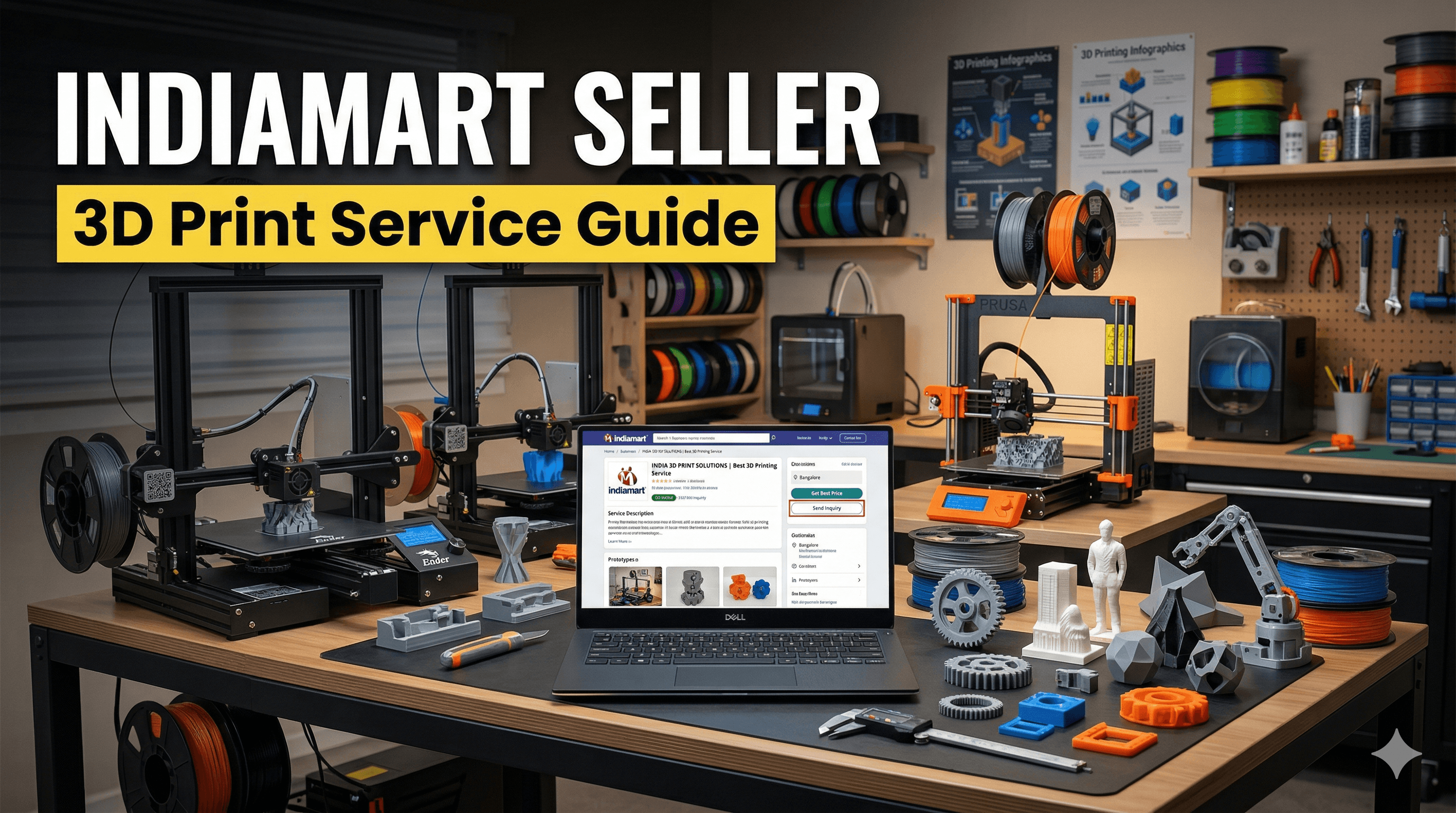
Cracking the Code: My Journey Selling 3D Printing Services on Indiamart
Man, running a small 3D printing business in India? It's a rollercoaster, isn't it? One day you're soaring, printing out cool prototypes for some tech startup, feeling like a rockstar. The next, you're staring at an empty order queue, wondering where the next project is going to come from. I've been there, trust me. We all have. For a long time, I was relying mostly on word-of-mouth, social media, and a few local contacts. But let's be honest, that kind of outreach has its limits. I needed to cast a wider net, reach more businesses, more innovators, more people who *needed* what I could offer. And that's when I started looking seriously at Indiamart.
Why Indiamart? The Great Indian B2B Marketplace
So, what is Indiamart, really? For those of you who might be new to it, think of it as India's biggest online B2B (Business-to-Business) marketplace. It’s basically where businesses go to find other businesses for everything from raw materials to manufacturing services, industrial machinery, and yeah, even niche stuff like 3D printing services. I mean, my granddad even used it to find a supplier for some obscure spare part for his old mill once, no joke. So, it’s legit. And it’s huge. The sheer volume of businesses listed there, the number of inquiries they claim to generate daily – it was honestly a bit intimidating at first, but also incredibly promising. I figured, if even a tiny fraction of those businesses were looking for rapid prototyping or custom manufacturing, I'd be golden.
My First Dive: Setting Up Shop and the Initial Hiccups
Getting started on Indiamart isn't exactly rocket science, but it's not super intuitive either, especially if you're like me and prefer to just print stuff rather than fill out endless forms. You register as a seller, create your profile, and then comes the crucial part: listing your services. I listed everything I could think of:
3D Printing Services,
Rapid Prototyping,
Custom Part Manufacturing,
Architectural Models,
Figurine Printing,
Jig and Fixture Production. Basically, if it could be printed on an FDM machine, I put it down.
And keywords? Oh man, those are vital. Don't underestimate them. I spent a good few evenings just brainstorming terms people might search for: "plastic prototyping India," "low volume manufacturing," "PLA printing service," "PETG parts," "ABS printing," "TPU flexible printing," "industrial 3D printing," "engineering plastic printing." It's like trying to guess what someone is thinking, but for business. I personally think a mix of broad and specific keywords really helps. You want to be found by the general searchers, but also by the ones who know exactly what they're looking for.
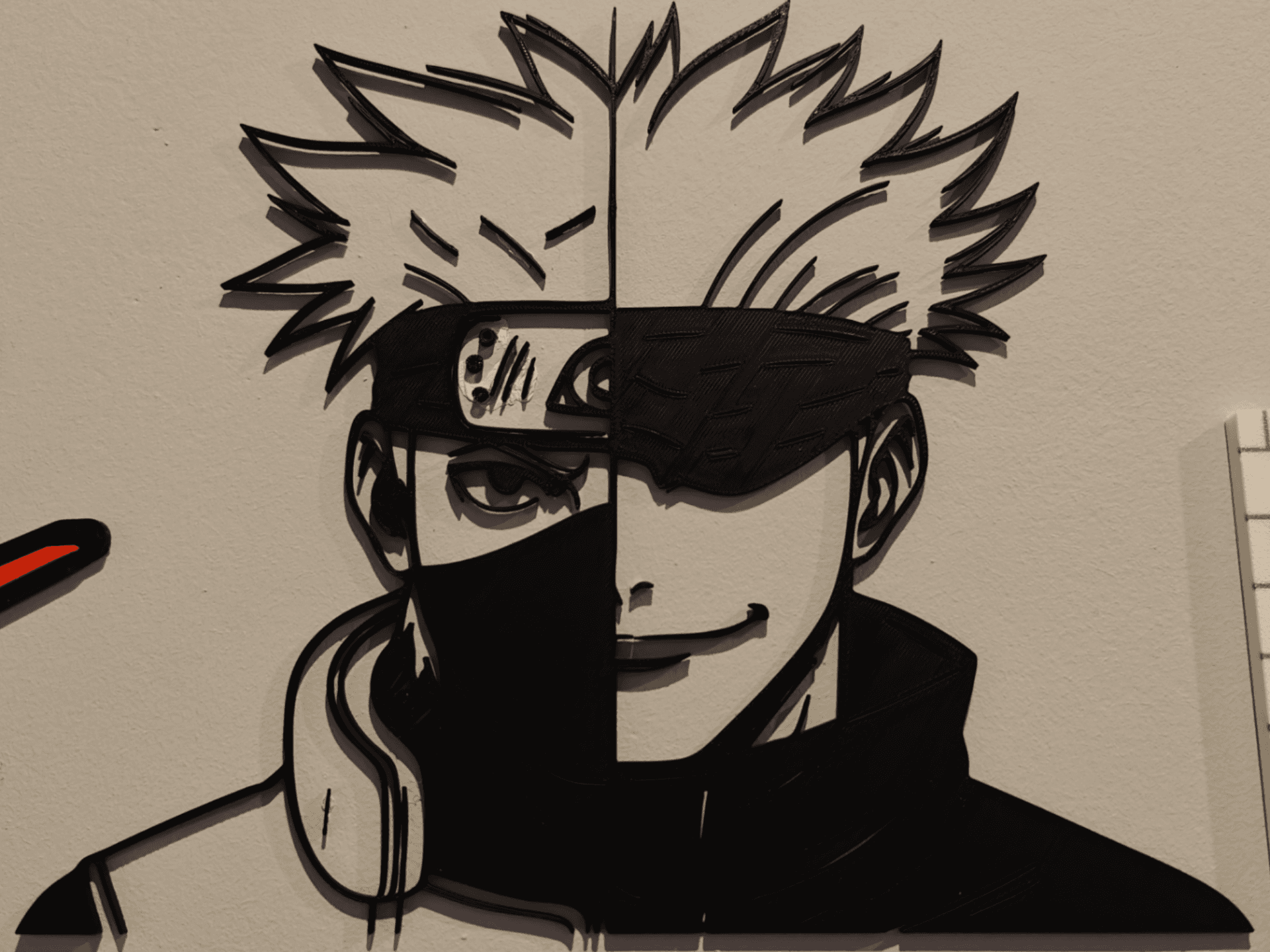
I also made sure to upload high-quality photos of my past work. Not just generic CAD renders, but actual, tangible prints that came off my machines. Pictures speak volumes, especially when you're selling a visual, tactile service like 3D printing. Showing off intricate details, different materials, and surface finishes – that's what makes a potential client pause and actually consider your profile. You can see some of our varied work and products at
ArtTopia Collections products, it gives a good idea of what's possible!
The Influx of Inquiries: Good, Bad, and Downright Bizarre
Once my profile was up and running, the inquiries started trickling in. Then they became a stream. And sometimes, a deluge. It's wild. The thing is, Indiamart gives you leads – buyer requirements, contact details, the whole nine yards. You get SMS alerts, email notifications, and they show up in your seller dashboard.
Now, here's the deal: not all leads are created equal. You get a real mixed bag.
*
The serious ones: These are gold. They usually have a clear idea of what they need, often attach CAD files, and specify material requirements. They're looking for a professional job and are usually willing to pay for quality.
*
The price hunters: Oh, you'll know these guys. Their first (and often only) question is, "What is your cheapest rate per gram?" They're basically looking for the absolute lowest price, sometimes without caring about quality or complexity. I personally find these leads tricky. I mean, my time and material aren't free, right? For a typical 100g PLA part, I usually quote around ₹500-₹700, depending on complexity and post-processing. But if it's a huge industrial part, say 500g, it might come down to ₹450/100g. It's all negotiable, but there's a limit.
*
The clueless ones: Bless their hearts. They know they need "something 3D printed" but have no idea what material, what design, or even what it's for. This is where your consultation skills come into play. A lot of hand-holding is needed.
*
The tire-kickers: These are just gathering quotes, often from dozens of suppliers, with no real intention of placing an order soon, or ever. They just want to know "how much for a plastic something." Annoying, but part of the game.
*
The outright weird ones: I once got an inquiry asking if I could 3D print a life-sized replica of a mythical creature for a garden. With a budget of ₹1000. Yeah, no.
In my experience, about 20-30% of the leads are genuinely good, actionable ones. The rest require filtering, follow-up, and a lot of patience. It’s tricky, you know – balancing cost and quality, and not getting completely ripped off yourself. (Which, let’s be real, has happened a couple of times early on.)
The Pros of Being on Indiamart
Despite the odd inquiry and the endless price negotiations, Indiamart offers some undeniable advantages for a small business like mine:
1.
Massive Reach: This is the biggest one. You instantly get exposure to businesses across India that you'd never find otherwise. It's like having a pan-India sales team working for you, 24/7.
2.
Legitimacy: Being listed on a platform like Indiamart, even with a free account, lends a certain level of credibility. Buyers often trust suppliers they find on established marketplaces.
3.
Consistent Lead Generation: Even if only a fraction convert, you *are* getting inquiries regularly. It keeps the pipeline flowing, which is crucial for any service-based business.
4.
Discovery by Niche Clients: Sometimes, I get inquiries from very specific industries – say, medical device prototypes or custom jigs for an automotive supplier. These are high-value clients who explicitly search for specialized services like ours.
5.
Market Insight: Seeing the types of inquiries helps you understand market demand, pricing expectations, and what kind of services are most sought after.
The Cons and Challenges: It's Not All Sunshine and Rainbows
Okay, let's be real. It's not perfect. There are definitely challenges:
1.
Fierce Competition: You're not alone. There are hundreds, maybe thousands, of other 3D printing service providers listed. It becomes a race to the bottom sometimes, with everyone undercutting each other.
2.
Price Sensitivity: Indian market, especially B2B, can be incredibly price-sensitive. Many buyers are just comparing quotes and will almost always go for the cheapest, even if it means compromising on quality or turnaround time. You really have to justify your pricing.
3.
Quality of Leads: As I mentioned, a lot of leads are duds. It takes time and effort to filter through them. The free plan gives you limited lead details, pushing you towards their paid plans for better insights.
4.
Paid Plans are Pricey: Indiamart pushes its paid subscription plans (Silver, Gold, Platinum). These offer more visibility, more detailed leads, and better support. They can range from ₹20,000 to ₹1,00,000+ per year. For a small business, that's a significant investment. I've been on a basic paid plan for a while, and it *does* improve lead quality, but you have to make sure the ROI is there. You really need to convert those leads to justify the cost.
5.
Communication Gaps: Sometimes, buyers' requirements are super vague, or their technical knowledge is limited. It requires a lot of back-and-forth to get clear specifications.
Tips for Making Indiamart Work for Your 3D Printing Business
So, how do you actually succeed amidst all this? Here’s what I’ve learned:
1.
Optimize Your Profile Relentlessly: This cannot be stressed enough. Use strong keywords, detailed descriptions of your capabilities (mention specific materials you work with like PLA, PETG, ABS, Nylon, TPU – and maybe even brands like eSUN or local Indian filament suppliers). Showcase your printer fleet if you can – maybe even mention your trusty
Ender 3 S1 Pro or
Anycubic Kobra, or your dream Prusa i3 MK3S+. The more information, the better. And those photos? Make them amazing.
2.
Be Super Responsive: Seriously, this is huge. When a lead comes in, respond within minutes, not hours. The early bird often gets the worm on Indiamart.
3.
Communicate Clearly and Ask Questions: Don't assume anything. If the requirement is vague, ask for drawings, dimensions, intended use, environmental conditions. Help the client articulate what they need. Sometimes, they don't even know that a different material might be better for their application.
4.
Quote Competitively, But Don't Undersell: Know your costs. Material cost, electricity (which can be significant in India, especially with long prints!), labor for post-processing, machine depreciation – factor it all in. Don't be the cheapest if it means losing money or delivering sub-par quality. Explain *why* your price is what it is. Quality has a price.
5.
Showcase Your Expertise: When you reply to an inquiry, don't just send a quote. Offer insights. Suggest alternative materials if appropriate. Talk about tolerances, infill, surface finish. Position yourself as an expert, not just a service provider.
6.
Build Relationships: The goal isn't just a one-off sale. Some of the best leads I've gotten from Indiamart have turned into repeat clients, even long-term partners. That's where the real value lies.
7.
Invest in Good Filaments and Tools: Quality output needs quality input. I always make sure I'm stocking up on reliable filaments.
Good PLA from Amazon, for instance, is a staple. And for post-processing, having a proper
3D printer tool kit makes all the difference in cleanup and finishing. It speeds things up and improves the final look.
Final Thoughts: Is Indiamart Worth It?
Look, for a small 3D printing business like mine, Indiamart has been a game-changer. It's not a magic bullet, and it requires effort, patience, and a thick skin for negotiation. You'll deal with a fair share of frustrating inquiries and demanding clients. But the potential for growth, for reaching a market segment that would otherwise be inaccessible, is immense.
It's helped me expand my client base, understand market dynamics better, and push my business forward. If you're struggling to find new clients for your 3D printing services, and you're ready to put in the work to filter leads and communicate effectively, then absolutely, give Indiamart a serious shot. It might just be the platform that helps you find your next big project.
What are your experiences with Indiamart or other B2B platforms? Share your thoughts in the comments below! I'd love to hear what's worked (or hasn't worked) for you.