Best Budget Filaments in India Under Rs 1000 Per Kg That Actually Work
Finding reliable, affordable 3D printer filament in India can be a challenge, especially with a strict budget. This post reveals the best budget filaments under Rs 1000 per kg that actually perform well.
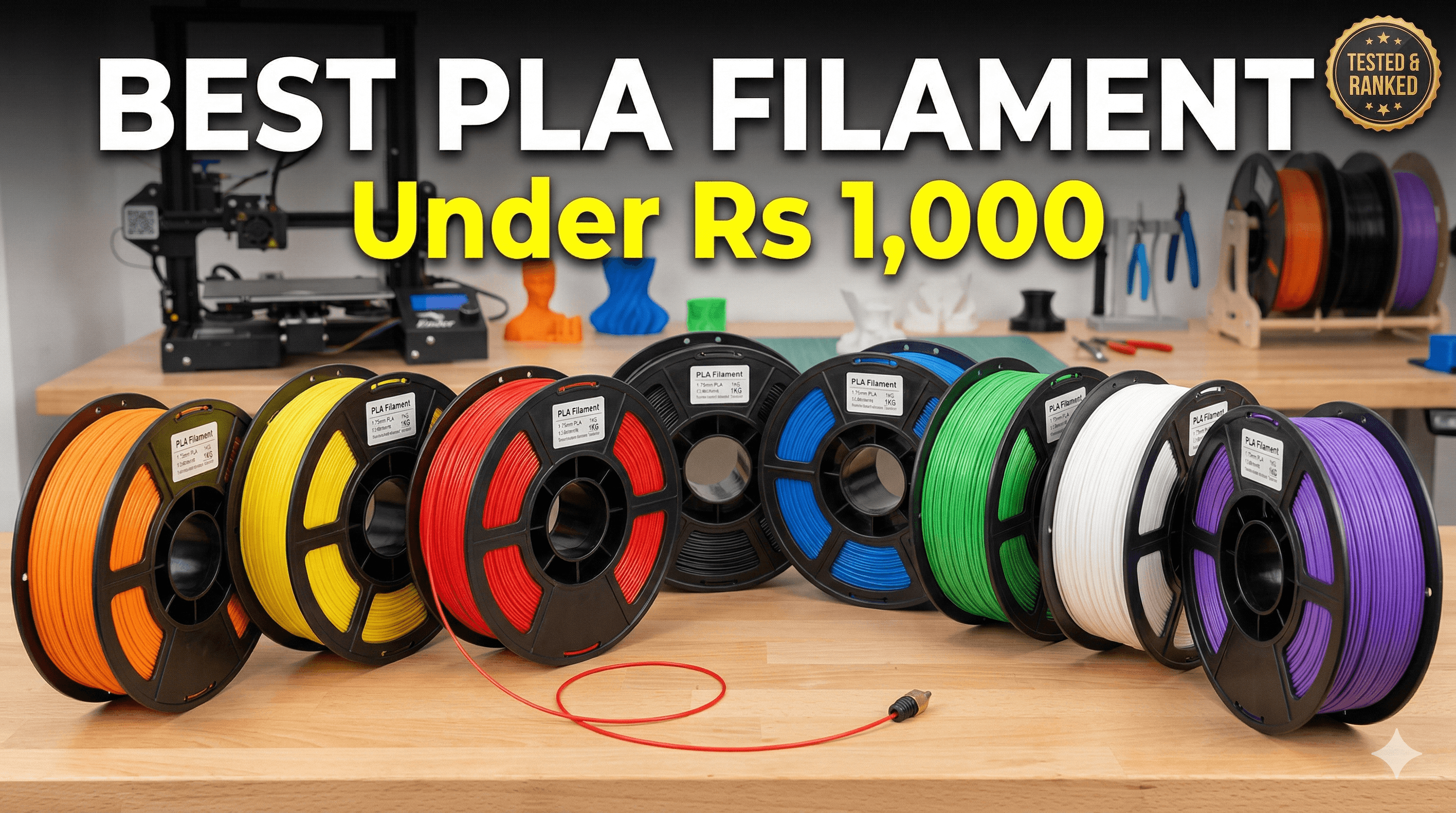
Chalo, let's be real. If you're a 3D printing enthusiast in India, especially if you're like me, trying to run a small business out of it, the cost of filament can hit harder than a Monday morning alarm. It's a constant struggle, right? You want to print, you *need* to print, but every time you look at a kilo of decent filament, it feels like your wallet is taking a direct hit. I mean, who wants to pay ₹1500-₹2000 for a single roll, especially when you're just prototyping or making fun little trinkets? Not me, yaar! That's why I'm here today, pulling back the curtain on something super important for all of us: finding budget filaments under ₹1000 per kg that *actually* work here in India. Because, trust me, I've tried the good, the bad, and the downright ugly, and I've learned a few things.
I've been knee-deep in this 3D printing world for years now, from tinkering with my first Ender 3 (God, the memories!) to now running Artopia Collections, where we create custom models and functional prints. And in all this time, one of the biggest lessons I've learned is that you don't always need to break the bank for good prints. Sure, there are times when you absolutely *have* to use premium stuff – for strength, aesthetics, or very specific engineering parts. But for 80% of what most of us do, especially when you're churning out prototypes, experimenting with new designs, or just printing for the sheer joy of it, a budget filament is your best friend. And believe me, finding that sweet spot, that unicorn filament that prints well and doesn't make your bank account weep, is a skill.
The thing is, the Indian market is a bit different from, say, the US or Europe. We have our own unique challenges – humidity, supply chain quirks, and sometimes, let's be honest, brands that promise the moon and deliver dust. So, when I talk about "budget filaments," I'm not just talking about the cheapest thing you can find on Amazon. I'm talking about the *value* for money, the reliability, and the sheer headache-reduction you get for under that magical ₹1000 mark. Because a cheap filament that constantly clogs your nozzle or gives you warpage isn't cheap at all; it's a false economy, leading to wasted time, wasted material, and a whole lot of frustration. And nobody wants that, especially when you're trying to meet a client deadline or just enjoy your hobby.
What to Even Look For in a "Budget" Filament (And What to Expect)
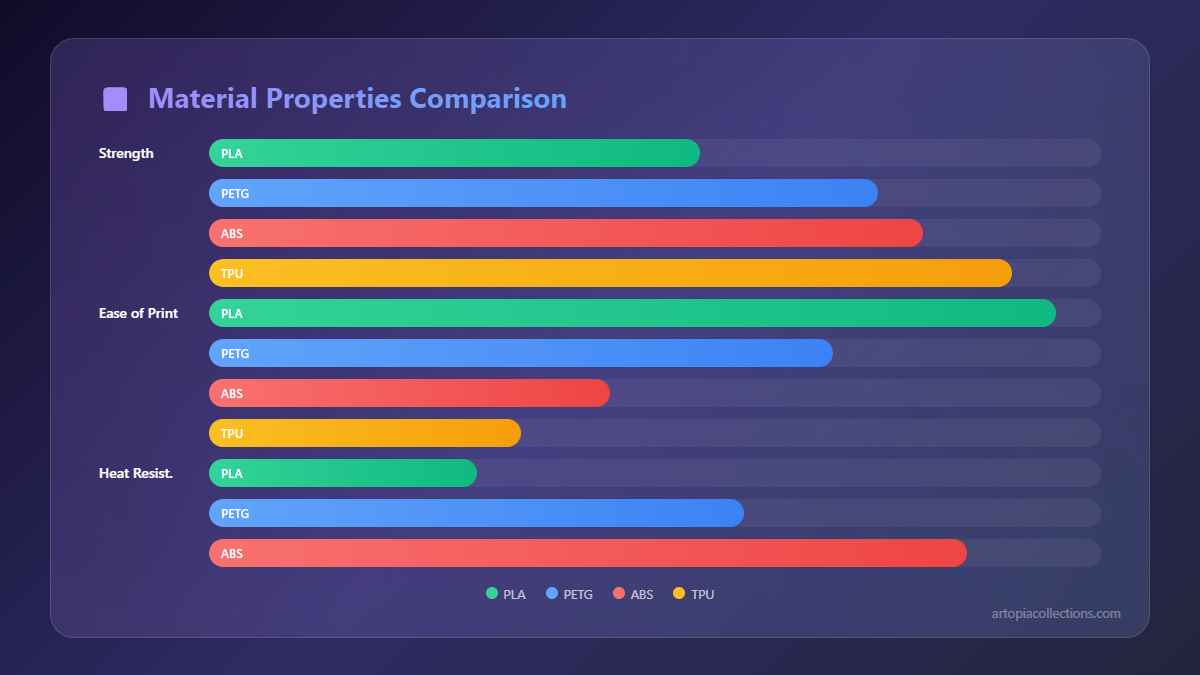
Before we dive into some specific brands and strategies, let's set some realistic expectations. When you're spending less than ₹1000 per kg, you're primarily going to be looking at PLA. And honestly, that's perfectly fine for most applications. PETG under ₹1000 is like finding a four-leaf clover; it happens, but not often, and usually during a flash sale. ABS? Forget about it for this price point, unless you're buying some seriously sketchy unbranded stuff, which I'd strongly advise against unless you enjoy nozzle replacement parties.
So, for PLA, here's what I prioritize, even on a budget:
- Diameter Consistency: This is HUGE. Inconsistent diameter (like 1.70mm suddenly jumping to 1.85mm) is the number one killer of prints and causes under-extrusion, over-extrusion, and eventually, clogs. Even budget filaments should aim for +/- 0.05mm.
- Spooling: A tangled mess on the spool is a print failure waiting to happen. Good spooling, even on a budget, shows that the manufacturer cares a little.
- Moisture Content: We live in India, folks! Humidity is real. Even new rolls can be a bit damp. You'll hear sizzling, see bubbles, and get weaker prints. Keep an eye out for how well it's sealed and always, ALWAYS, consider drying your filament.
- Adhesion: Does it stick to your bed? And does layer-to-layer adhesion hold up? This is fundamental.
- Color Consistency: For my business, this matters, but for personal prints, I'm a bit more forgiving. Just don't expect vibrant, consistent colors every time with the absolute cheapest options.
You might not get the perfect, silky smooth finish of a premium filament, or the exact shade you saw on a screen, but you should still get functional, reliable prints. That's the goal.
My Go-To Budget Filaments (And How I Find Them)
Okay, so let's get to the good stuff. These are the brands and methods I've personally used and recommend for keeping your filament costs down without completely compromising your sanity.
1. Creality PLA
Honestly, Creality, the same folks who make our beloved Ender 3s, often have their own brand of PLA filament available, and it frequently dips under the ₹1000 mark, especially during sales. It's usually pretty decent. I've used their white and black PLA extensively for functional prototypes and larger structural parts for my projects. Is it the best PLA in the world? Nah. But for the price, it's consistently reliable. I rarely have issues with diameter variation or tangles on their spools. The colors are basic but consistent enough. For someone just starting out or needing bulk filament for non-critical prints, this is a solid contender. Keep an eye on Amazon.in, particularly during sale events. Sometimes you can find multi-packs that bring the per-kg cost down even further. You can often find Creality PLA here.
2. Unbranded/Local Indian Brands (Proceed with Caution, but Learn)
This is where it gets interesting, and a little risky, but potentially very rewarding. There are a few smaller Indian manufacturers or resellers popping up, and sometimes you can find some hidden gems. I'm talking about brands you've probably never heard of, or even just generic "PLA filament" listings on marketplaces. I've actually stumbled upon a few that delivered surprisingly good results for ₹700-₹900 a kg. The trick here is research. Read the reviews, especially the bad ones. Look for photos of actual prints. If someone mentions inconsistent diameter or constant clogging, run, don't walk. But if you see consistent positive reviews about decent print quality, good adhesion, and minimal issues, it might be worth a shot. Buy one roll first, test it thoroughly. If it works, stock up! You never know when these deals will disappear. This is the kind of stuff I use for really rough prototypes where aesthetics aren't a concern at all, just getting the shape right.
3. Eryone (When on Sale)
Eryone is a brand that generally sits *just* above the ₹1000 mark, usually around ₹1100-₹1300. But, and this is a big but, they have sales surprisingly often. I've snagged their PLA for as low as ₹950-₹1000 during Amazon Prime Day or other big festive sales. Their PLA generally offers better print quality and consistency than the absolute cheapest options, with good color saturation and decent layer adhesion. So, my advice here is to add it to your wishlist and set up price alerts. It's a fantastic step up from basic budget PLA without being truly premium. Their spooling is usually excellent too, which is a big plus.
4. Protoprint (Indian Brand, Often Good Value)
Protoprint is an Indian brand that focuses on sustainable and affordable filaments, often made from recycled plastics. Their pricing can fluctuate, but I've seen their PLA sometimes hover right around the ₹1000-₹1100 mark, especially for their standard colors. This is a great option because you're supporting an Indian company, and their quality for the price is generally very respectable. They're trying to do good things, and I appreciate that. If you're looking for an alternative to the big international names and want something more local, definitely give Protoprint a look. The biggest thing I've noticed with them is their material can be a tiny bit more brittle if it's not dried properly, but once dialed in, it prints beautifully on my Prusa Mini and even my souped-up Ender 3.
5. DMart/Local Store Finds (The Wild Card)
Okay, this is going to sound crazy, but bear with me. I've heard anecdotal evidence, and even seen a few posts in local 3D printing groups, about people finding surprisingly usable PLA filament at places like DMart or smaller local electronics stores. These are usually unbranded or very obscure brands. The quality control might be non-existent, and you're essentially gambling. BUT, if you're feeling adventurous and spot a roll for ₹500-₹700, and you're just looking for some throwaway material for a quick test, it might be worth the gamble. Just manage your expectations, and don't expect it to perform like eSun. Always, always check the spooling and how tightly it's sealed. And again, buy one roll first! Don't buy ten because it's cheap.
Tips for Printing with Budget Filaments
Getting good prints from budget filament isn't just about choosing the right brand; it's also about how you treat it. Here are some of my essential tips:
- Dry Your Filament: I cannot stress this enough, especially in India! Even brand new rolls can be damp. A filament dryer box (like the Creality Dry Box or even a food dehydrator modified for filament) is a game-changer. You'll get stronger prints, fewer stringing issues, and generally smoother surfaces. Investing in one is totally worth it.
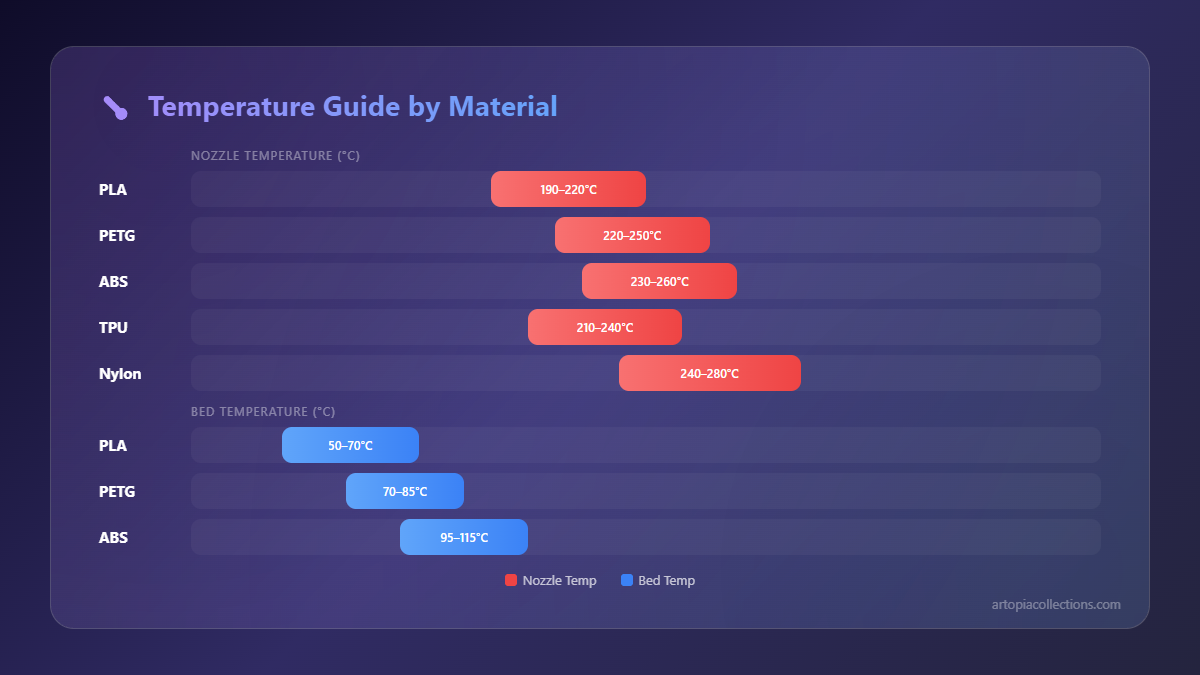
- Calibrate Your Printer: Every roll of filament, even from the same brand, can be slightly different. Run a temperature tower, a retraction test, and an E-steps calibration. It takes a little time, but it saves so much frustration later.
- Print Slower: Budget filaments sometimes benefit from slightly slower print speeds. This gives the hotend more time to melt the plastic evenly and allows for better layer adhesion. Don't go crazy slow, but knocking 10-20mm/s off your usual speed can make a huge difference.
- Check for Clogs: Keep an eye on your nozzle. Budget filaments can sometimes have more impurities, leading to partial or full clogs. Have a few spare nozzles handy and know how to do a cold pull.
- Good Bed Adhesion: Ensure your print bed is spotless and correctly leveled. For budget PLA, I often use a thin layer of Fevistik or even a hairspray like "Set Wet" on my glass bed. It helps a ton, especially with larger prints that might be prone to warping.
When to Spend More (And Why My Business Does)
Look, I'm all for saving money, but there are definitely times when you just *have* to splurge. For Artopia Collections, when I'm printing a client's final product, something that needs to look pristine, be dimensionally accurate, or have specific mechanical properties, I'll absolutely reach for my premium rolls. Brands like eSun, Prusament (if I can get my hands on it affordably), or specialized engineering filaments are essential then. For example, if I'm making a functional part that needs to withstand a certain load, I'm not going to trust a ₹800 roll of unknown origin. Or if I'm printing a highly detailed miniature, the smooth finish and consistent color of a quality filament make all the difference.
It's about understanding the application. If you're making a simple tool holder for your garage, budget PLA is perfect. If you're making a custom designed display piece for a client, or a replacement part for an appliance, that's when you invest a little more. We use a mix of both budget and premium filaments in our production process, always matching the material to the project's requirements. You can see some of the finished products we've created, using a blend of these filament strategies, right over at Artopia Collections.
Final Thoughts: Experiment, Experiment, Experiment!
The world of 3D printing filament, especially here in India, is constantly evolving. New brands pop up, prices change, and sales come and go. My biggest advice to you is to keep experimenting. Don't be afraid to try a new, unknown brand if the price is right and the reviews aren't terrible. Buy one roll, put it through its paces, and see what happens. You might just discover your new favorite budget filament. And trust me, finding that perfect balance between cost and quality is one of the most satisfying parts of this hobby (and business!). Happy printing, everyone! May your nozzles stay clog-free and your wallets stay full.