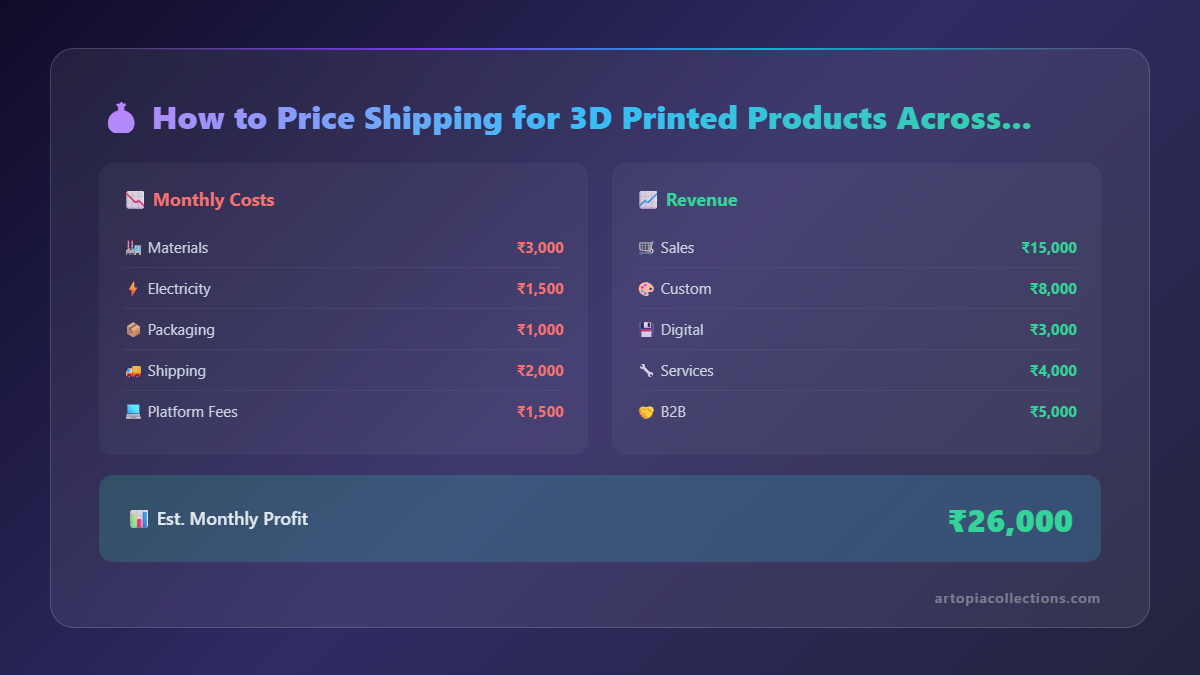
How to Price Shipping for 3D Printed Products Across India
Navigating shipping costs for 3D printed products across India presents unique challenges for sellers. This comprehensive guide breaks down effective pricing strategies, helping you ensure profitability while reaching customers nationwide.
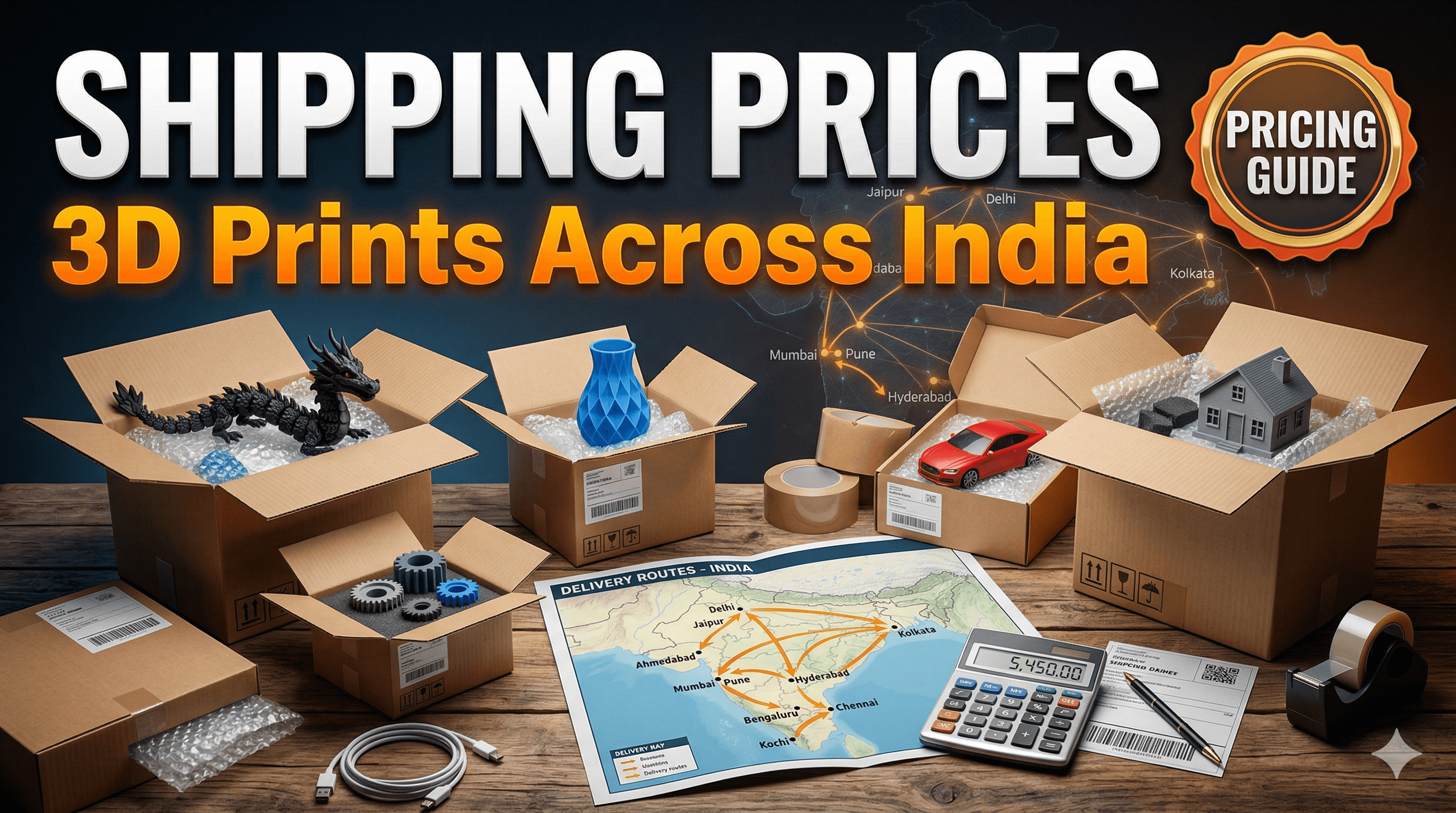
The Great Indian Shipping Puzzle: How to Price Delivery for Your 3D Prints Without Losing Your Mind (or Your Money!)
Yaar, let's be real. You've spent hours designing that perfect custom lithophane, painstakingly sliced it in PrusaSlicer, maybe even endured a few failed prints on your trusty Creality Ender 3 V2, and finally, it's done. It's beautiful. You've packaged it with love and bubble wrap, dreaming of the happy customer on the other side of the country. But then it hits you: how the heck do I charge for shipping this thing across India without either bankrupting myself or scaring off my customer with a crazy high delivery fee? That, my friend, is the million-dollar question for every small 3D printing business owner in India, and trust me, I’ve been there, pulling my hair out more times than I care to admit. It feels like a never-ending game of guesstimates, doesn't it?
Honestly, when I first started my little venture, ArtOpia Collections, shipping was a total black hole. I was just winging it, hoping for the best, and often, paying out of my own pocket for delivery because I'd underestimated the cost. It's a brutal reality check, especially when you're just starting out and every rupee counts. But over time, with a lot of trial and error (and a fair bit of shouting at my laptop), I've managed to figure out a system that works for me. And today, I want to share some of that hard-earned gyaan with you, so you don't have to make the same mistakes I did. Because ultimately, we're all trying to make our passion sustainable, right?
The Real Deal: What Actually Drives Shipping Costs in India?
Before we dive into strategies, let's understand the basic variables. It’s not just about how much you want to charge; it’s about what the courier companies are actually charging you. And believe me, they have a whole algorithm going on:
- Weight, Yaar, Weight! This is the most obvious one. A tiny keychain is way cheaper to send than a full-sized articulated dragon. But here's the catch: couriers often use something called "volumetric weight." That means if your package is super light but takes up a lot of space (like a big, hollow 3D printed vase), they might charge you based on its volume, not its actual weight. Always measure both!
- The Dimensions Game: It ties into volumetric weight, but it's worth highlighting. The size of your actual box matters. A small, compact box is always better than a sprawling, irregularly shaped one, even if the weight is similar. So, try to optimize your packaging to be as snug as possible without compromising safety.
- Destination, Destination, Destination: This is huge in India. Shipping from, say, Mumbai to Pune is vastly different from shipping from Delhi to some remote village in Nagaland. Couriers categorize locations into zones (local, metro, state-specific, rest of India, remote areas). Remote areas almost always cost more and take longer.
- Speed Demons vs. Patience Masters: Do your customers need it yesterday? Then express shipping is an option, but it comes at a premium. Most small businesses, especially with 3D prints, opt for standard shipping (typically 3-7 days) because it's more economical.
- Fragility Factor: Are your prints delicate? Most 3D prints are, let's be honest. This means more bubble wrap, more protective packaging, maybe even a sturdier box. And all that adds to your material cost, which indirectly impacts your "shipping" cost in terms of overall expense.
- Insurance – Don't Skip It! For higher-value items, please, please get insurance. It’s usually a small percentage of the item's value, but it can save you a world of headache if a package gets lost or damaged. I've learned this the hard way with a custom-painted figurine that arrived in pieces. Never again!
Choosing Your Shipping Partner: The Great Indian Courier Hunt
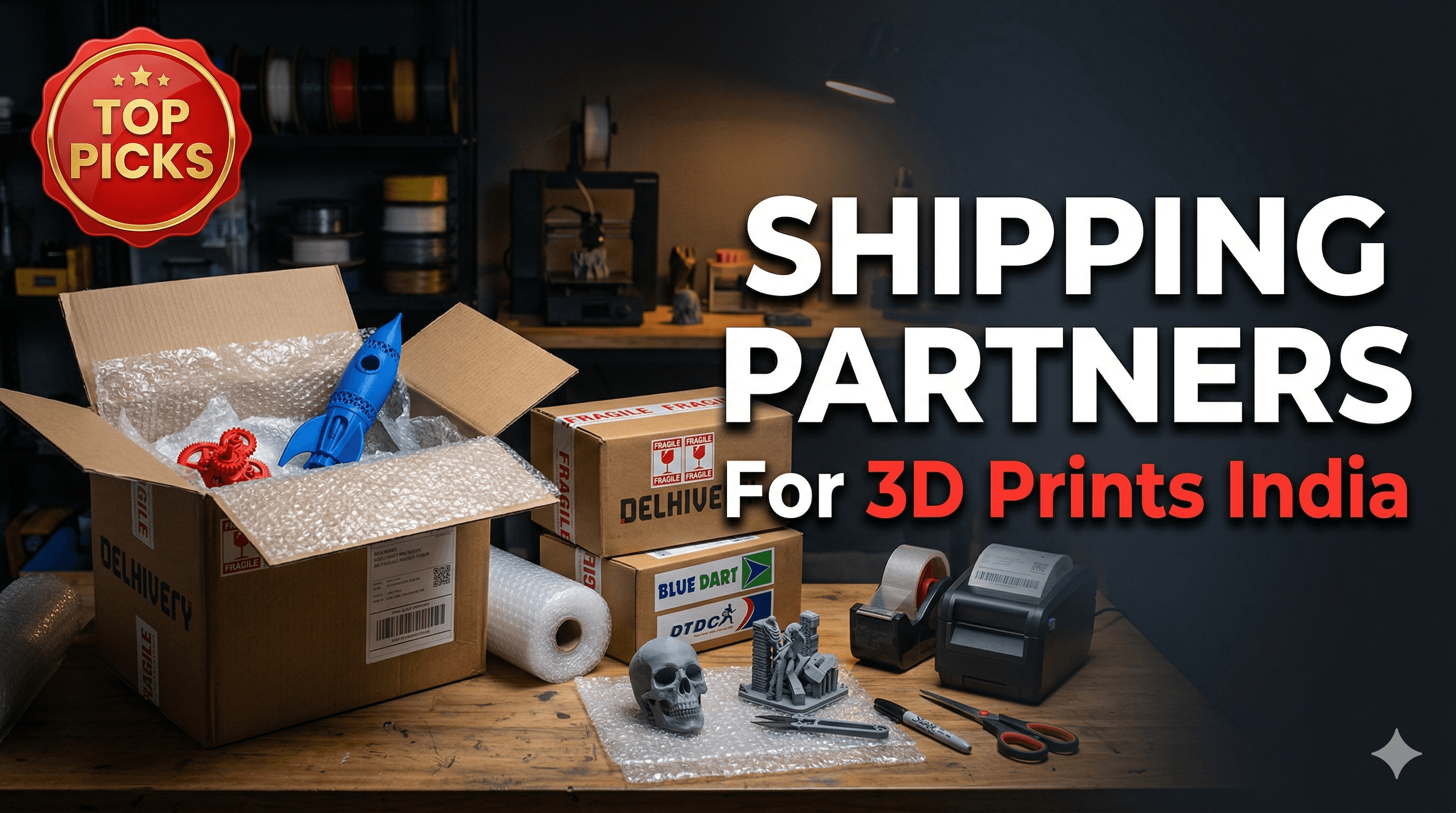
 Alright, so you know what factors they consider. Now, who do you actually ship with? In India, we have a few main players, each with their own pros and cons:
1. India Post (Speed Post / Registered Post)
This is where many of us start, and honestly, it's not a bad place to be.
Pros:
- Reach: Unmatched. They go literally everywhere, from the bustling metros to the tiniest villages. If a place has a pin code, India Post will deliver there.
- Cost-Effective: For smaller, lighter packages, it's often the cheapest option. You can send a small, lightweight parcel (under 500g) for as little as ₹40-₹60 for Registered Post, or ₹70-₹120 for Speed Post within a state or to nearby states. For something a bit larger, say 1kg, it might be around ₹150-₹250 across zones.
- Tracking: Speed Post has decent tracking, and Registered Post has basic tracking too.
- Speed: Speed Post isn't always "speedy." It can take 3-10 days, sometimes more for remote areas. Registered Post is even slower.
- Reliability: While generally good, I've had a few instances where packages were delayed or tracking wasn't updated promptly. Customer service can be... an experience.
- No Doorstep Pickup: You usually have to go to the post office yourself. This can be a pain if you have multiple packages or limited time.
Verdict: Great for budget-conscious customers, remote deliveries, and when speed isn't the absolute top priority. Good for testing the waters when you're just starting out.
2. Private Couriers (DTDC, Delhivery, Bluedart, Xpressbees, Ecom Express, etc.)
These are the big boys (and girls!) of the private logistics world.
Pros:
- Speed: Generally faster than India Post. Metro to metro in 2-4 days is common.
- Reliability & Tracking: Much better tracking systems, often with real-time updates and delivery estimates. Professional handling, generally.
- Doorstep Pickup: Many offer pickup services, which is a lifesaver when you're juggling prints, packaging, and orders.
- Cost: Significantly more expensive than India Post, especially for smaller packages or remote areas. A 500g package could cost anywhere from ₹80 to ₹300+, depending on the destination and courier.
- Reach: While extensive, they might not cover *every single pin code* that India Post does, especially in very remote locations.
Verdict: Ideal for when customers need faster delivery, better tracking, and for business owners who value convenience and reliability. If you're selling higher-value 3D printed art pieces or functional prints, this is often the way to go.
3. Shipping Aggregators (Shiprocket, Pickrr, Shyplite, etc.)
Okay, this is where the game changed for me. These platforms basically tie up with multiple private couriers and let you compare rates, book shipments, and manage everything from a single dashboard.
Pros:
- Rate Comparison: Instantly see which courier offers the best price for your specific package and destination. This is a HUGE time and money saver!
- Single Dashboard: Manage all your shipments, print labels, track orders across different couriers, and generate reports from one place. This streamlines operations incredibly.
- Doorstep Pickup: Most aggregators facilitate pickups directly from your location.
- Negotiated Rates: Because they send high volumes, aggregators often get better rates from couriers than you could as a small business.
- Integration: Many integrate with e-commerce platforms like Shopify, WooCommerce, etc., making order fulfillment almost seamless.
- Slight Learning Curve: Setting up and understanding their platform takes a little time.
- Still Reliant on Couriers: While they simplify things, the actual delivery is still done by the underlying courier, so if that courier messes up, you'll still deal with it, albeit often with aggregator support.
- Minimum Balance/Plans: Some might require maintaining a minimum wallet balance or subscribing to a plan for advanced features.
Verdict: If you're serious about your 3D printing business and want to scale, aggregators are a no-brainer. They give you the flexibility and cost-effectiveness of various couriers without the individual hassle. I personally use one of these, and it's made my life so much easier.
The Million-Dollar Question: Pricing Strategies for Your Customers
Now that you know your costs, how do you present them to your customers without them abandoning their cart faster than a failed print due to spaghetti monster? Here are the most common strategies:
1. Flat Rate Shipping: Simple & Sweet (Mostly)
This is super popular because it's easy for customers to understand. You charge one fixed price for shipping, no matter where in India they are or what they order (within reason, of course).
How to Calculate: Don't just pull a number out of thin air! Take the average of your actual shipping costs. Ship a few dummy packages to different zones, weigh your common products with packaging, and find an average. For example, if your average cost is ₹120, you might charge ₹150 for flat rate shipping to cover some packaging and buffer.
When it Works: Best for businesses with a relatively consistent product size/weight range. Or if most of your customers are in similar zones.
Pros:
- Customer clarity: They know exactly what they're paying upfront.
- Simplicity for you: Easy to set up on your website.
- You might lose money on distant or heavy orders.
- You might overcharge local or very light orders (which can be a deterrent).
My Take: I started with a flat rate of ₹120 for most small to medium items. It worked okay, but I did lose money on some remote orders. If your average cost to ship a 500g item across India is ₹100-₹150 (including packaging), then a flat rate of ₹120-₹180 might be reasonable.
2. Calculated Shipping: Fair & Square (But Sometimes Complex)
This means your customer pays the exact shipping cost based on their location, the package's weight/dimensions, and the chosen courier.
How it Works: Typically requires integration with a shipping aggregator or directly with a courier's API on your e-commerce platform. The system calculates the real-time cost at checkout.
When it Works: Ideal for businesses with a wide variety of product sizes and weights, or customers across all zones.
Pros:
- You never lose money on shipping.
- Customers get accurate, fair pricing.
- No need to worry about averages.
- Can be complex to set up.
- Customers might see varying shipping costs, which some find confusing or off-putting if the cost is high.
- The exact cost is only known at checkout, which can lead to cart abandonment if it's unexpectedly high.
My Take: Once I moved to an aggregator, this became my preferred method for certain products, especially larger ones. It ensures I don't bleed money on a bulky print that needs to go to a remote corner of India.
3. Free Shipping: The Customer Magnet (But You Still Pay!)
Everyone loves free shipping! It's a huge psychological win for customers and can significantly boost conversions.
How to Implement: The "free" part is for the customer, not for you! You have to bake the shipping cost into your product price. For instance, if your product is ₹1000 and shipping costs ₹150, you price it at ₹1150 and offer "free" shipping. Alternatively, offer free shipping above a certain order value (e.g., free shipping on orders over ₹1500).
When it Works: Great for higher-value products or to encourage customers to add more items to their cart to meet the free shipping threshold.
Pros:
- Massive sales driver.
- Reduces cart abandonment.
- Perceived value for the customer.
- Requires careful pricing of your products to absorb the shipping cost without making them seem too expensive.
- Can significantly eat into your margins if not calculated properly.
My Take: I often offer free shipping for orders above ₹1200 or ₹1500. It's a great incentive, and by that point, the margin on multiple items usually covers the shipping cost. Plus, let's be honest, people are always more willing to spend a little extra on the product if the shipping looks like it's on you. It's a psychological trick, but it works!
The Unsung Hero: Packaging & Supplies (Don't Forget These Costs!)
 Before you even think about the courier, you've got to protect your precious prints. This isn't free, ya know! Here's a quick rundown of what I typically spend:
- Corrugated Boxes: Depending on size, these can range from ₹5 to ₹30 per box. I buy them in bulk from local suppliers or online.
- Bubble Wrap: My best friend! A roll can be expensive upfront (₹300-₹800), but it lasts a while. Per package, it might add ₹5-₹15.
- Packing Peanuts/Air Pillows: Essential for filling voids and cushioning. A bag can cost ₹200-₹500.
- Packing Tape & Dispenser: ₹50-₹150 for a roll of good tape. The dispenser makes life so much easier.
- Stretch/Cling Film: For waterproofing and securing. ₹100-₹200 for a roll.
- Fragile Stickers: A small cost, but important!
So, each package, before it even leaves your hands, might have ₹20-₹50 (or more for larger items) of material cost baked into it. And honestly, it’s worth it to prevent damage. Nothing is worse than getting a message from a customer about a broken item. I've heard horror stories from others where their beautiful Anycubic prints just crumbled inside due to poor packaging. And we put so much effort into printing with quality PLA filament like eSun or Overture, right?
My Personal Journey & Tips for Fellow 3D Printing Enthusiasts
Look, when I started ArtOpia, I was just happy to sell a few things. I'd literally take my prints, wrapped in newspapers (don't judge, it was rough!), down to the local post office. Over time, as I invested in better printers (my Prusa Mini+ is a dream, but my modified Ender 3 still holds a special place) and learned more, I realized this shipping thing needed to be taken seriously. I upgraded my packaging, bought proper boxes, got a bulk roll of bubble wrap, and eventually, signed up with an aggregator. It wasn't overnight, you know? It was a slow, steady process of learning and adapting.
Here’s my advice, distilled from experience:
- Start Small, Learn Big: If you're just starting, India Post is perfectly fine. It'll get your product there, and you'll learn about packaging and managing expectations.
- Factor in Everything: When you're pricing your product, don't just think filament cost and print time. Add in your packaging materials, a small buffer for shipping variations, and your time spent packaging.
- Test, Test, Test: Experiment with different shipping rates. Try a flat rate for a month, then calculated shipping. See what your customers prefer and what works best for your bottom line.
- Communicate Clearly: Always be transparent with your customers about shipping costs and estimated delivery times. A little honesty goes a long way in building trust. Mention clearly on your product pages or FAQ section.
- Invest in Tools: A good weighing scale (get a kitchen scale if you don't have a shipping one!), a tape dispenser, and a measuring tape are your best friends. Seriously, these save so much time.
- Consider your Niche: If you're selling very small, lightweight items, maybe India Post + flat rate works well. If you're selling large, intricate models, then calculated shipping via an aggregator for better tracking and speed is probably essential. If you're looking to get started with your own business, investing in a reliable printer like the Creality Ender 3 V2 can be a great first step, and then figure out shipping as you grow!
And one last thing, almost forgot! Sometimes I still mess this up, honestly. A new product comes in, I forget to update the weight in the shipping profile, and boom, I'm paying extra. It happens. Don't beat yourself up. Just learn from it and adjust. That's the beauty of running your own small business – you get to learn something new every single day.
Wrapping It Up (Pun Intended!)
Pricing shipping for 3D printed products across India is definitely a balancing act. You want to be fair to your customers, but you also need to ensure your business remains profitable. It's not a one-size-fits-all solution, and what works for me might need tweaking for your specific products and customer base. The key is to be informed, do your research, and don't be afraid to experiment. With a little bit of planning and the right partners, you can conquer the great Indian shipping puzzle. Now, go forth and print, my friend! And may all your shipments arrive safely and on time!