Best Packaging Solutions for Shipping 3D Printed Products in India
Shipping 3D printed products requires specialized packaging to prevent damage during transit. Learn about the top solutions and strategies for secure and cost-effective delivery across India.
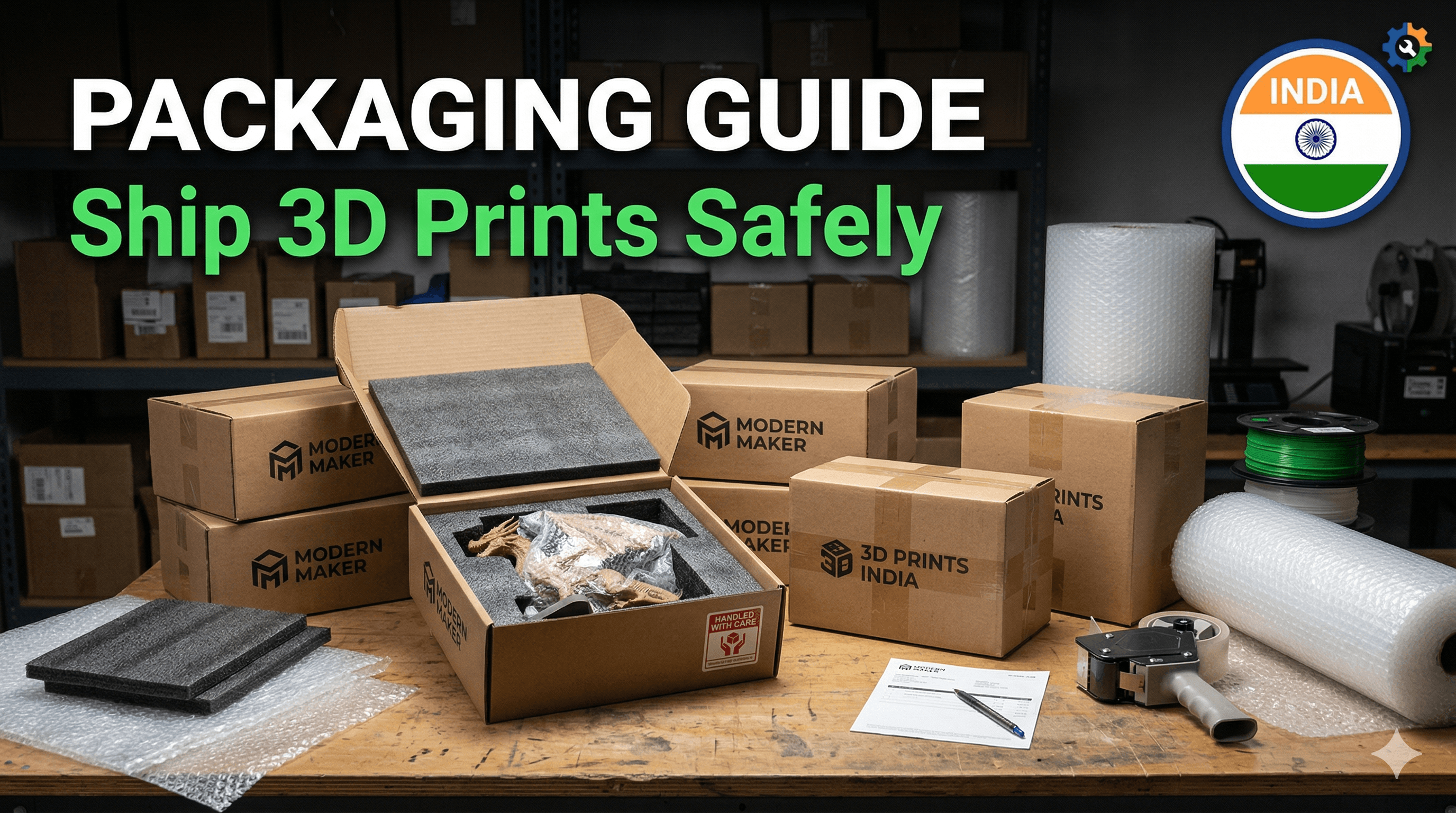
Ever ripped open a package, heart pounding with excitement for your new 3D printed masterpiece, only to find it... well, let's just say it looks like it went twelve rounds with a gorilla? Yeah, that feeling. It's a gut punch, right? And honestly, as someone who pours their soul into every print, from tiny keychains made on my trusty Ender 3 Pro to complex architectural models that challenge my Anycubic Kobra 2 Neo, I dread the thought of my creations meeting such a fate in transit. That's why today, my fellow Indian 3D printing hustlers, we're talking about something super crucial: packaging. Because in India, shipping isn't just shipping; it's an extreme sport!
I run a small 3D printing business, ArtTopia Collections, right here from my workshop in Pune. And believe me, I've seen it all. I’ve had prints arrive perfectly, looking pristine as if I hand-delivered them myself. And I’ve also had those dreaded calls, the polite but firm customer explaining that their meticulously designed D&D miniature arrived in pieces. It's heart-wrenching, truly. So, I’ve spent countless hours, and a fair bit of trial-and-error (and rupees!), figuring out the best ways to get our fragile, layer-by-layer wonders safely from our printers to our customers' doorsteps, navigating the wild and wonderful world of Indian logistics.
Why Packaging is Your Secret Weapon (Especially Here in India)
Look, abroad, maybe things are a bit smoother. But here? Our packages often go through an obstacle course. They’re tossed, stacked, dropped, and sometimes even left out in the monsoon rains. Seriously, I’ve had packages look like they've been through a car wash. So, for us, packaging isn't just about making things look pretty; it's about survival. It's about ensuring your hard work, that 20-hour print you just finished with eSun PLA+, doesn’t turn into a bag of broken dreams.
And it's not just about protecting the product; it's about protecting your business. A damaged product means a refund, a replacement, extra shipping costs for you, and worst of all, a disappointed customer. That customer might not come back. They might even leave a not-so-great review. And in our small, tightly-knit community, word spreads fast. So, good packaging is basically insurance for your reputation and your bottom line. It's a non-negotiable, my friends.
Understanding Your Prints: The First Step to Smart Packaging
Before you even think about boxes and bubble wrap, you need to understand what you're shipping. Not all prints are created equal, right? A solid, chunky vase printed with 0.6mm nozzle and 100% infill is a lot more forgiving than a delicate, finely detailed figurine printed with a 0.2mm nozzle and hollowed out to save filament. Are you using standard PLA? Or something tougher like PETG or even flexible TPU? And what about resin prints? Oh boy, those resin prints, they're beautiful but often brittle. For those, you'll need to go the extra mile.
I personally find that most of my FDM prints (the ones from my Creality and Anycubic machines) need good cushioning, especially if they have thin overhangs or delicate parts. Resin prints, on the other hand, often need a complete cocoon of protection. So, take a good, hard look at your product. Identify its weakest points. That's where your packaging efforts need to be focused.
The Essential Indian Packaging Toolkit: What You REALLY Need
Alright, let's get down to the brass tacks. What materials do you need to stock up on? Here's what I swear by:
1. Sturdy Corrugated Boxes
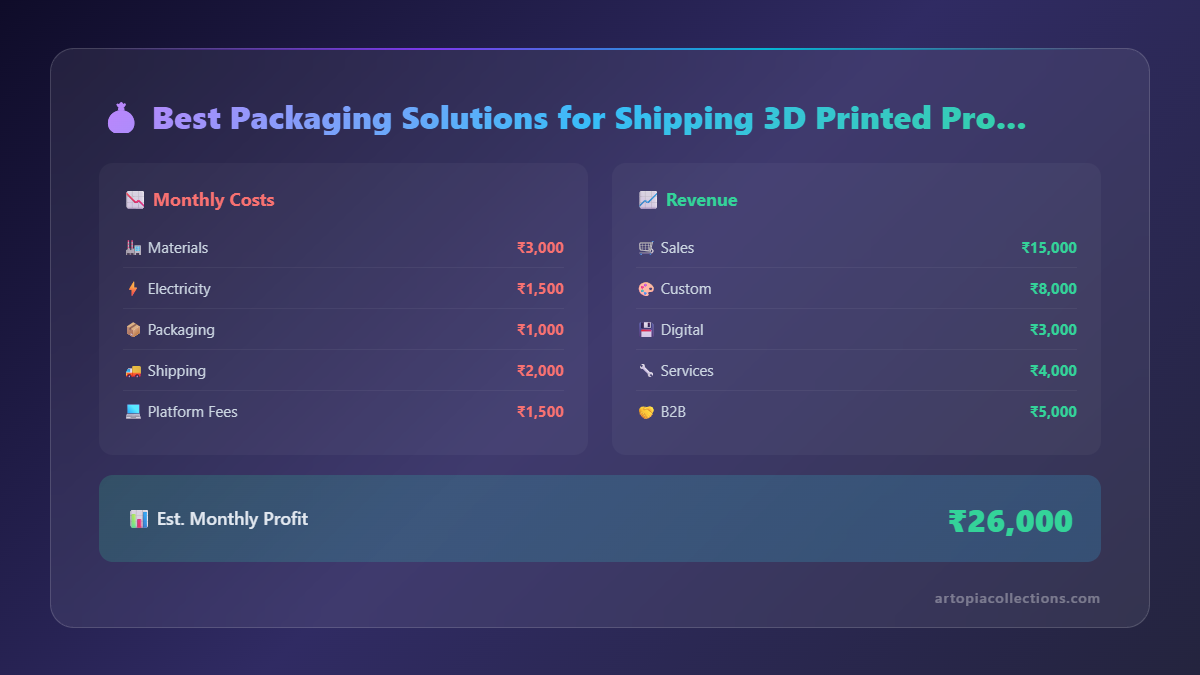 This is your first line of defence. Don't skimp here. Single-wall corrugated boxes are okay for lighter, less fragile items, but for anything remotely delicate or heavy, always go for double-wall. They cost a bit more, maybe ₹5-₹10 extra per box, but that extra layer of cardboard can make all the difference. You can source these from local packaging suppliers in bulk, which brings the cost down significantly. For a standard 6x6x6 inch double-wall box, expect to pay around ₹25-₹40 depending on your supplier and quantity. A single-wall might be ₹15-₹25.
Pro Tip: Always make sure your box isn't *too* big. You want enough room for cushioning, but not so much that your product rattles around uncontrollably. A snug fit, with ample padding, is ideal.
2. The Mighty Bubble Wrap
Ah, bubble wrap. The unsung hero of packaging! This is your primary cushioning material. I use different sizes of bubbles depending on the item. Large bubbles for filling voids and general cushioning, and small bubbles for wrapping individual, delicate components. Don't just wrap once; wrap it like you're trying to mummify it! I usually go for at least two to three layers, sometimes more for truly fragile items. And make sure those bubbles are facing inwards, towards the product, for maximum impact absorption.
You can get a decent 1-meter x 100-meter roll of bubble wrap (small bubbles) for about ₹300-₹500 on Amazon.in. Honestly, it's worth every penny. For example, check out this kind of bubble wrap roll on Amazon.in. It lasts ages and protects so well.
3. Void Fillers: Packing Peanuts, Air Pillows, or Eco-Friendly Alternatives
 Once your product is lovingly bubble-wrapped, you need to fill any remaining empty space in the box. This prevents the item from shifting during transit. My go-to used to be packing peanuts, which you can get a big bag of for around ₹300-₹500. But, honestly, they're messy and not exactly environmentally friendly. I've been experimenting with air pillows (those plastic bags filled with air) which are lighter and cleaner, though they cost a bit more, maybe ₹600-₹800 for a small roll that needs an air machine. For smaller operations, shredded paper or even old, crinkled newspapers (just make sure they don't stain your product!) work surprisingly well and are super cheap, often free!
4. Heavy-Duty Packing Tape
Don't, for the love of all that is sacred, use flimsy cello tape. You need strong, acrylic-based packing tape. I'm talking about the tape that *sticks* and doesn't give up. Invest in a good quality brand. A roll usually costs ₹50-₹100, and you'll go through a lot. Use the 'H-taping' method: tape all seams, especially along the top and bottom. And if your box feels like it might pop open, add an extra strip around the middle. Better safe than sorry, right?
5. Stretch Film (Especially for Monsoons!)
Here's a specific one for India, especially if you're shipping during monsoon season or to areas prone to heavy rain. A roll of stretch film (the kind they use to wrap luggage at airports) can be a lifesaver. After taping your box, give it a good wrap with stretch film. It creates an almost impenetrable barrier against moisture. It’s pretty affordable too, maybe ₹200-₹400 for a small roll. It’s an extra step, but for certain items or during certain times of the year, it’s absolutely worth it. Nothing worse than a soggy box!
The Art of Layering: How to Pack Like a Pro
It's not just about having the materials; it's about using them correctly. Think of it as building a fort for your 3D print:
- Wrap It Up: Start by wrapping your 3D print tightly in several layers of small-bubble wrap. If it has very delicate parts (like sword blades on a miniature or thin antennae), consider reinforcing those parts with a bit of extra bubble wrap or even some cardboard strips taped securely before the main bubble wrap.
- First Cushion Layer: Put a layer of larger bubble wrap or packing peanuts at the bottom of your corrugated box. This creates a base cushion.
- Place the Product: Gently place your wrapped product in the center of the box, on top of the base cushion. Make sure it's not touching any of the box's sides.
- Fill the Voids: Now, fill all remaining empty spaces around the product with more packing peanuts, air pillows, or crumpled newspaper. The goal is to make sure that when you close the box, nothing shifts inside when you shake it gently. No rattling!
- Top Cushion Layer: Add another layer of bubble wrap or void filler on top of your product before closing the box flaps.
- Seal It Tight: Tape all seams with your heavy-duty packing tape. Use the H-taping method on both the top and bottom. For extra security, I often run a band of tape around the middle of the box too.
- Waterproof (Optional but Recommended): If needed, give the whole box a good wrap with stretch film.
- Label Clearly: Stick your shipping label clearly on the largest surface. And yes, add a "FRAGILE" sticker! While it doesn't guarantee gentle handling, it sometimes makes a difference.
Special Considerations for the Indian Market
Our logistical landscape is unique, to say the least. So, a few extra thoughts for shipping in India:
Rough Handling is the Default
Assume your package will be handled roughly. I know, it sounds pessimistic, but it's a realistic approach. This means over-packaging is often better than under-packaging. Don't just pack for "average" handling; pack for "worst-case scenario" handling.
The Monsoon is Real
Seriously, humidity and water damage are huge issues. Always, always consider waterproofing, especially during the rainy season. That stretch film I mentioned? It's your best friend.
Cost vs. Protection: The Balancing Act
We're all small businesses, and every rupee counts. High-quality packaging *does* add to your product cost. For a small item, a box, bubble wrap, and tape might cost you ₹50-₹80. For a larger, more complex item, it can easily go up to ₹100-₹150. You need to factor this into your pricing. But remember, the cost of a replacement and a lost customer is always higher than the cost of good packaging. It's an investment, not an expense.
Choosing Your Courier Partner
This is huge. I've tried them all – India Post, Delhivery, Bluedart, Xpressbees, you name it. Each has its pros and cons. Some are great for certain regions, others for speed. For delicate items, I tend to lean towards courier services that have a better track record for handling, even if they cost a little more. Always look at their insurance options too! It’s another layer of protection for you and your customer. It's a continuous learning curve, honestly. What works today might not work tomorrow.
Branding: Make it Yours
While protection is paramount, don't forget the unboxing experience. A simple sticker with your logo, a neatly printed thank you note, or even a branded packing tape can elevate the experience. It makes your customer feel special and reinforces your brand. It's the little touches that turn a one-time buyer into a loyal patron.
Oh, and one more thing: always take a photo of your product *before* you pack it, and then one of the packed product *before* you seal the box. This can be super helpful if there's a dispute about damage later on. It's just a small safeguard, but it's saved me a headache or two!
The Bottom Line
Shipping 3D printed products in India is a journey, not just a delivery. And just like you'd carefully select the right filament – maybe Hatchbox PLA for that perfect finish or a sturdy Overture for functional parts – you need to carefully select and apply your packaging solutions. It’s about respect for your craft, respect for your customer, and ultimately, respect for your business. Don't let your amazing 3D prints become another casualty of a rough journey. Pack smart, my friends, and happy printing!
And hey, if you’re ever looking for some cool, unique 3D printed items, definitely check out what we're cooking up over at ArtTopia Collections. We put a lot of love (and solid packaging!) into every single piece.
Happy printing and even happier shipping!
P.S. Need some more PLA filament for your next big project? Here's a general search link for 3D printer PLA filament on Amazon.in. Keep those printers humming!