How to Start a 3D Printing Service Bureau in India: Setup Costs and Revenue Model
Dreaming of a profitable venture? Discover the comprehensive guide to establishing your very own 3D printing service bureau, covering everything from initial setup to attracting your first clients.
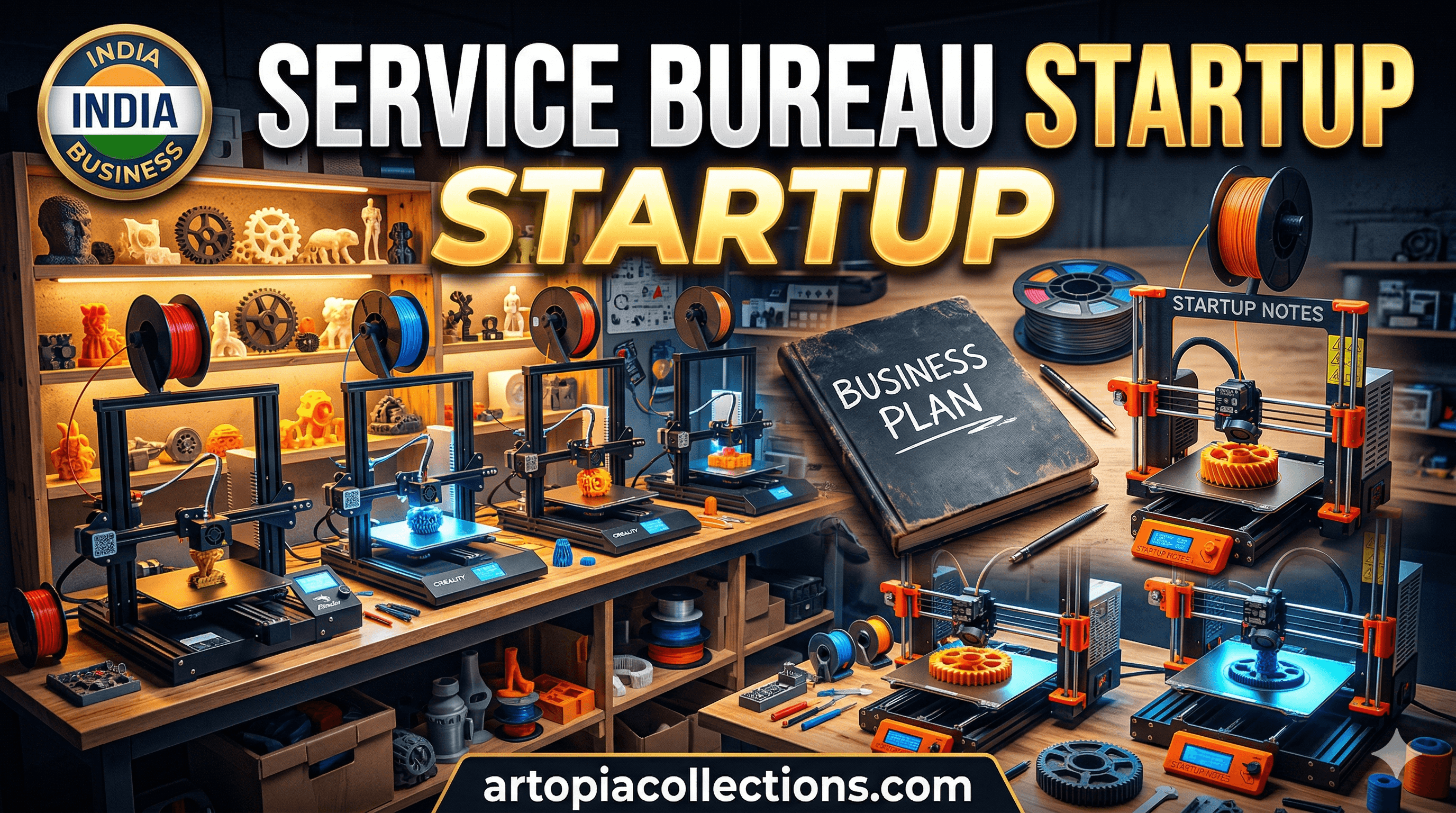
From Hobbyist to Hustler: How to Launch Your Own 3D Printing Service Bureau in India
Hey everyone! Vidyut here, your friendly neighbourhood 3D printing fanatic from down south. Remember that feeling when your first print finishes, perfect and solid, popping off the bed? That little thrill? Well, what if I told you that thrill could be your business? Yeah, I know, it sounds a bit dreamy, but trust me, it’s very, very real. I started my little venture, Artopia Collections, right here in my city, and it’s been an incredible journey. If you’ve been tinkering, dreaming, and wondering if you can turn your passion for additive manufacturing into a full-fledged service bureau in your own city, then pull up a chair. We need to talk.Why Start a 3D Printing Service Bureau NOW?
Look, India is buzzing. Seriously. The startup scene is booming, engineering colleges are churning out brilliant minds, and everyone from designers to doctors is looking for custom solutions, quick prototypes, or just cool, unique stuff. And that's where we come in! The market for 3D printing services, though still nascent in some pockets, is growing like crazy. It's not just about printing keychains anymore, though those are fun too! We're talking functional prototypes for new products, intricate architectural models, bespoke jigs and fixtures for small workshops, even custom cosplay props and home decor. The demand is there, folks, and frankly, a lot of cities still have a huge gap in accessible, reliable 3D printing services. You could be the one to fill it.The Nitty-Gritty: What You Need to Get Started
Alright, let's get practical. You’re probably wondering about the initial investment, and honestly, it’s not as scary as some people make it out to be. You can start lean and scale up, which is what I did.1. Your Fleet of Printers (Your Workhorses!)
This is where your passion meets your wallet. You don't need a factory full of machines to start.FDM (Fused Deposition Modeling) Printers: For a service bureau, FDM is your bread and butter. It's versatile, cost-effective, and handles a wide range of materials.
- Entry-Level Workhorse: I'd highly recommend starting with one or two reliable FDM printers. Think something like a Creality Ender 3 V3 SE or even the slightly more advanced V3 KE. These machines are absolute beasts for their price point, often costing between ₹20,000 to ₹30,000. They're fairly easy to maintain, and the community support is massive, which is a lifesaver when you're troubleshooting late at night.
- Mid-Range Powerhouse: As you grow, consider adding something like an Anycubic Kobra 2 Pro or even (if your budget allows) a Prusa MK4 kit. These offer faster speeds, better print quality, and more reliability, which means less headaches and quicker turnaround times for your clients. We're talking ₹40,000 to ₹1,00,000+ here, but the return on investment is solid.
Resin (SLA/DLP) Printers (Optional, but great for detail): If your niche involves highly detailed miniatures, jewelry prototypes, or intricate art pieces, a resin printer is a fantastic addition. But honestly, I'd suggest starting with FDM and only investing in resin once you see a clear demand. They require more post-processing, and the materials are more expensive.
2. Your Material Arsenal (Filaments!)
Having a good variety of filaments is crucial. You'll want to stock up on the essentials:- PLA: Your best friend. Easy to print, comes in tons of colours, and great for general-purpose prototypes, models, and decorative items. Always have plenty.
- PETG: Stronger and more temperature-resistant than PLA, excellent for functional parts that need a bit more durability.
- ABS: For parts that need high temperature resistance and strength. A bit trickier to print (needs an enclosure), but invaluable for certain applications.
- Specialty Filaments: As demand dictates, consider stocking wood-filled PLA, flexible TPU, or even carbon fibre reinforced options. These can fetch higher prices for specialized jobs.
I always recommend buying good quality filaments. Brands like eSUN, Overture, or even local Indian brands like 3DPrintronics offer consistent quality. Expect to pay anywhere from ₹1,000 to ₹2,000 per 1kg spool for good PLA. You can find a wide range of options on Amazon.in.
3. Essential Tools & Software
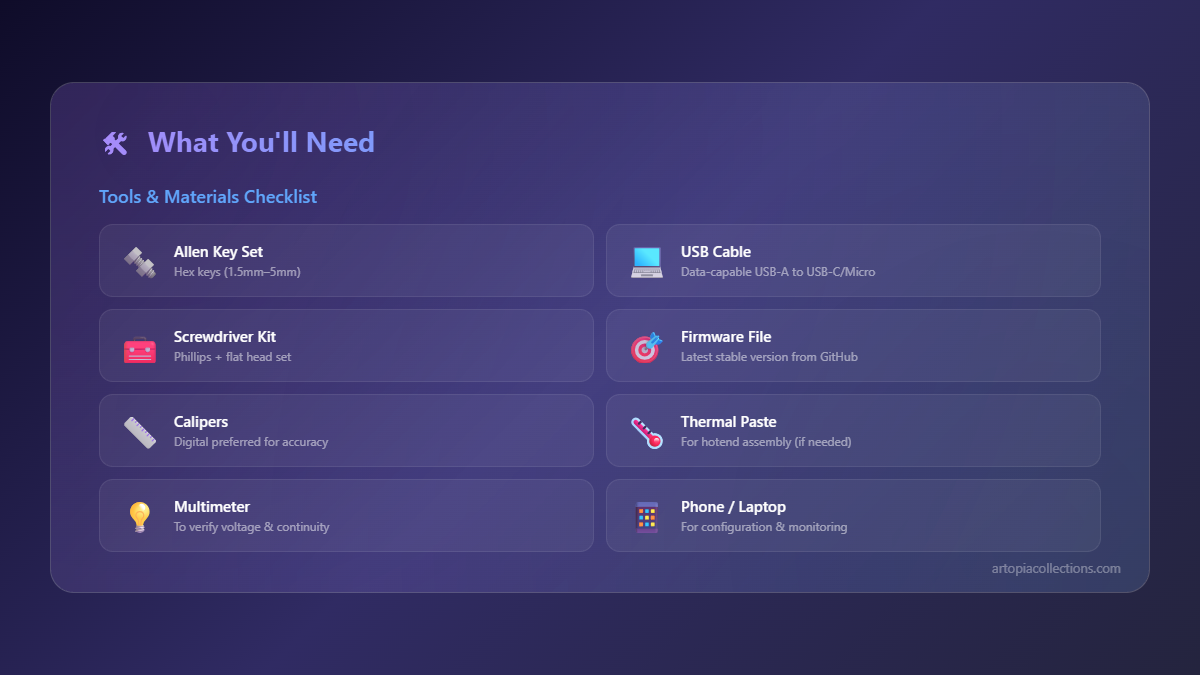
Don't skimp on these. They make your life so much easier.- Basic Toolkit: Spatulas, flush cutters, needle-nose pliers, Allen key sets, a good pair of calipers for accurate measurements, sandpaper (various grits), deburring tools.
- Safety Gear: Good ventilation is key, especially when printing with ABS or resin. Also, safety glasses and gloves, particularly for resin work.
- Software:
- Slicers: PrusaSlicer and Ultimaker Cura are free, powerful, and industry standards. Master at least one of them.
- CAD Software: You'll need to know how to fix STLs, maybe even design simple parts. Tinkercad is great for beginners and quick fixes. Fusion 360 offers a fantastic free personal license and is incredibly powerful. SolidWorks or AutoCAD are also options if you have access and skill, but not strictly necessary to start.
Finding Your Niche and Pricing Your Prints
This is where you differentiate yourself. Don't try to be everything to everyone right away.Who are your potential clients?
- Local Businesses/Startups: They need rapid prototyping for new products. This is a huge market!
- Engineers & Designers: Custom jigs, fixtures, functional parts.
- Educators: Teaching aids, STEM projects.
- Artists & Cosplayers: Custom props, unique art pieces.
- Individuals: Custom gifts, home decor (like some of the cool stuff we make at Artopia Collections), spare parts for broken appliances (honestly, a massive unmet need!).
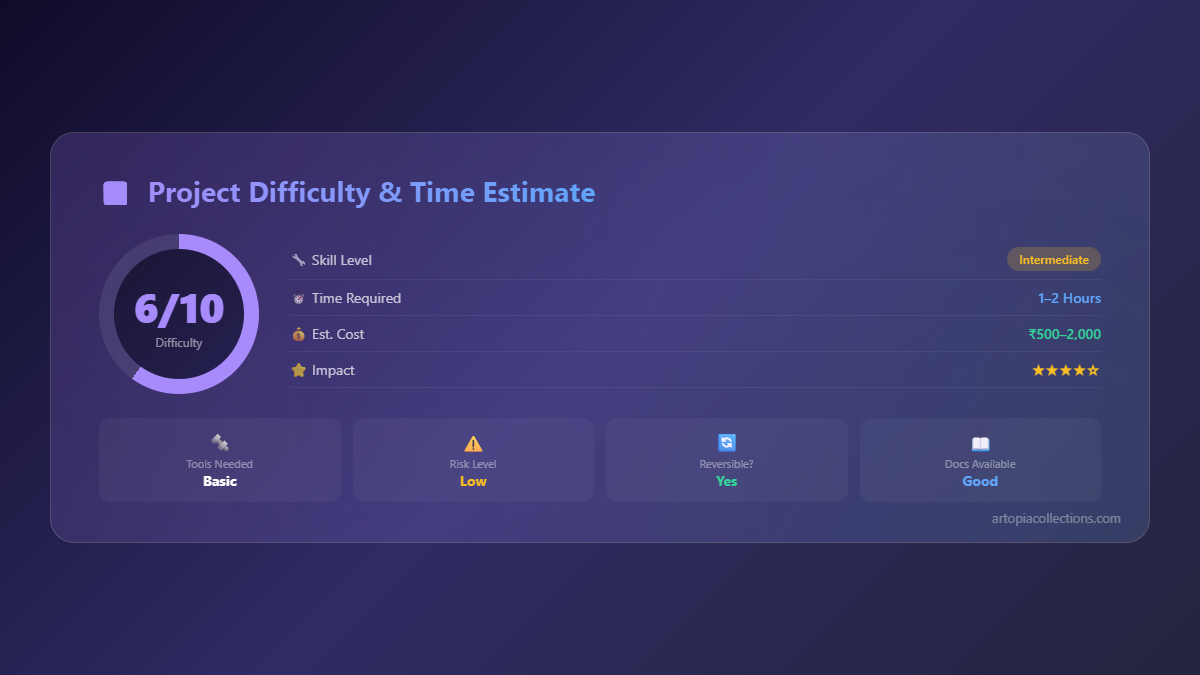
Pricing Strategy: This is probably the trickiest part, but here’s the deal: you need to cover your costs and make a profit.
The simplest model is: (Material Cost + Machine Time) x Multiplier + Post-Processing/Design Fee.
- Material Cost: Calculate based on filament weight. If 1kg of PLA (₹1,500) gives you 1000 grams, then 1 gram costs ₹1.5.
- Machine Time: This covers electricity, wear and tear on your printer, and your time overseeing it. A common starting point in India could be ₹10-₹30 per hour of print time per printer, depending on your machine and location.
- Multiplier (Profit Margin): This is your markup. Could be 2x, 3x, or more depending on complexity, exclusivity, and market demand.
- Post-Processing: Sanding, painting, assembling – charge extra for these. Your time is valuable.
- Design Fee: If a client comes with just an idea and you have to design the 3D model, absolutely charge for your design time. An hourly rate of ₹500-₹1500 for design is reasonable depending on complexity.
- Minimum Order Value: Always have one! Say, ₹250 or ₹500, to make small jobs worthwhile.
Don't be the cheapest guy in town. Price for quality, reliability, and service. In my experience, customers are willing to pay a fair price for a good job and timely delivery.
Marketing Your Services: Get the Word Out!
You can have the best printers and skills, but if no one knows about you, it's just a very expensive hobby!- Online Presence:
- Social Media: Instagram, Facebook, LinkedIn. Post your prints, show off your capabilities, make cool time-lapses! Use relevant hashtags for your city.
- Website/Portfolio: Even a simple one-page site with your services, contact info, and a gallery of your best prints can do wonders.
- Local Listings: Google My Business is your friend. Get listed so local searches can find you.
- Offline Networking:
- Local Businesses: Visit industrial estates, design studios, engineering firms. Carry business cards and show them samples of what you can do.
- Educational Institutions: Colleges and schools often need prototypes or educational models.
- Events: Look for local craft fairs, tech meetups, or maker expos to showcase your work.
- Word of Mouth: This is gold. Do a great job for one client, and they'll tell others.
- Samples & Demos: Always have some impressive prints on hand to show potential clients. A complex lattice structure, a beautifully finished architectural model, or a functional assembly. Seeing is believing!
Setting Up Your Workspace & Overcoming Challenges
Your print farm doesn't need to be fancy, but it does need to be functional and safe.- Ventilation: Absolutely critical, especially if you're printing with ABS or using a resin printer. Open windows, exhaust fans – keep the air moving.
- Temperature Control: Consistent ambient temperature helps with print quality. Avoid drafts or extreme temperature fluctuations.
- Storage: Keep your filaments in airtight containers with desiccant. Humidity is the enemy of good prints.
- Organization: A tidy workspace is a happy workspace (and makes troubleshooting easier).
Challenges? Oh, they'll come. Prints will fail (it's part of the game), customers will have unrealistic expectations, printers will need maintenance. The thing is, every challenge is a learning opportunity. Be patient, be persistent, and keep learning. Troubleshooting is a skill you'll hone over time. Don't be afraid to reach out to online communities; the 3D printing world is incredibly supportive.
India Setup Costs: Starting a 3D printing service bureau in India requires an initial investment of INR 2-5 lakhs for 2-3 printers (Creality K1, Bambu Lab A1 Mini), filament stock, and basic finishing tools. Monthly operational costs: INR 15,000-30,000. Revenue potential: INR 50,000-1.5 lakhs/month depending on location and clients. Register under GST if turnover exceeds INR 20 lakhs.
A Quick Word on Legalities
This isn't my expertise, so please consult with a professional, but generally, you'll need to:- Register your business: As a sole proprietorship or a private limited company, depending on your scale.
- GST Registration: If your turnover crosses the threshold, you'll need to register for GST.
- Intellectual Property: Be mindful of client designs and ensure you have clear agreements regarding confidentiality and ownership.


